

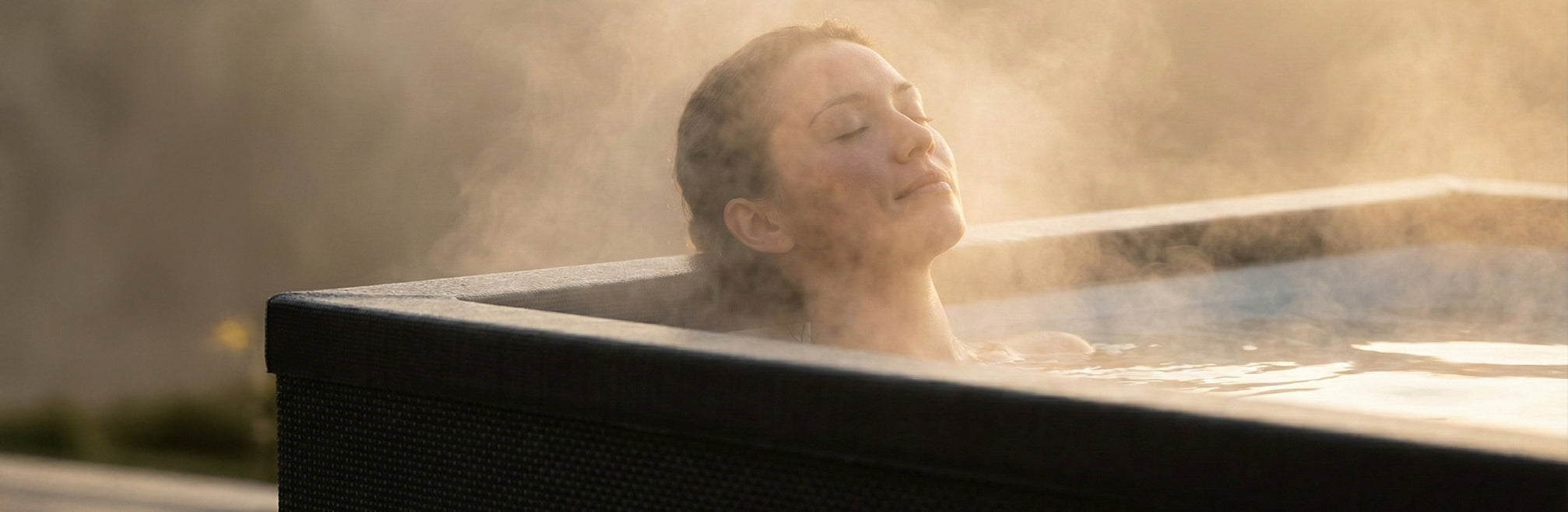
When the temperature drops and the days get shorter, it’s tempting to hibernate. Shorter daylight hours affect our mood, cold air tightens our muscles, and motivation for staying active can plummet. But winter doesn’t have to mean putting your wellness on hold.
Hydrotherapy – the therapeutic use of warm water to promote healing and relaxation – has been trusted for thousands of years, from ancient Roman bathhouses to modern physiotherapy clinics. And now, with a Wave Spa in your garden, you can access those same benefits every single evening without a membership, a booking, or a commute.
We recently explored how hydrotherapy can supercharge post-gym recovery. But that’s just one piece of the puzzle. The truth is, whether you’re a runner, a swimmer, a yoga enthusiast, a parent juggling a hundred things, or someone who simply wants to feel better this winter – a regular hot tub routine can make a measurable difference to how you feel, move, and sleep.
Let’s dive in.
The Science Behind Hydrotherapy: Why Warm Water Works
Before we look at specific lifestyles, it’s worth understanding why warm water immersion is so effective. When you step into a hot tub at 98–104°F, several things happen simultaneously:
- Your blood vessels dilate, improving circulation and delivering oxygen and nutrients to tired muscles and joints more efficiently.
- Hydrostatic pressure from the water gently compresses your body, reducing swelling and supporting lymphatic drainage.
- Buoyancy reduces the load on your joints by up to 90%, providing relief for anyone dealing with stiffness, arthritis, or overuse injuries.
- Your core temperature rises slightly, triggering a parasympathetic nervous system response – essentially telling your body it’s safe to relax, lowering cortisol and promoting the release of endorphins.
With Wave Spas’ Wave AquaBubble™, delivers the ultimate massage experience through precision-engineered air jets that release thousands of tiny bubbles throughout your spa. Targeted water movement that works with your body’s natural pressure points, creating a consistent, therapeutic massage that goes beyond simply sitting in warm water. It’s the difference between a bath and a treatment.
For Runners and Outdoor Athletes
Winter running is brilliant for mental clarity and cardiovascular fitness, but it takes a toll on your body. Cold air restricts blood flow, icy surfaces change your gait, and layered clothing can create tension across your shoulders and neck.
A post-run soak in your Wave Spa helps in several key ways. The warm water rapidly increases blood flow to fatigued muscles, helping to flush out lactic acid and metabolic waste that accumulates during exercise. This is particularly effective for the calves, quads, and hip flexors – the areas runners punish the most.
The buoyancy effect is equally important. After pounding pavements or trails, your joints – particularly knees and ankles – are under significant compressive stress. Immersion in water offloads that weight, giving your cartilage and connective tissue time to decompress naturally.
Many runners also deal with plantar fasciitis and tight IT bands during winter, as cold muscles are more prone to micro-tears and inflammation. Regular evening soaks can help maintain flexibility and reduce the cumulative strain that leads to overuse injuries.
If you’re training through winter for a spring marathon or event, think of your Wave Spa as part of your training plan – not a luxury, but a recovery tool.
For Swimmers and Water Sports Enthusiasts
It might seem counterintuitive – you’ve spent all day in water, so why get in more of it? But pool or open-water swimming and hot tub hydrotherapy serve very different purposes.
Swimming is high-exertion cardiovascular work. The repetitive overhead motions of front crawl and butterfly create tension across the shoulders, rotator cuffs, and upper back. Cold open-water swimming, increasingly popular through winter, delivers its own benefits but leaves the body in a state of vasoconstriction that warm water immersion helps reverse.
A 20-minute soak after swimming helps restore normal blood flow, release the muscular tension accumulated from repetitive strokes, and warm the body’s core back to a comfortable resting state. The Wave AquaBubble™ is particularly effective here, targeting the upper back and shoulder regions where swimmers hold the most tension.
For paddleboarders and kayakers winding down their season – or those brave enough to keep going through winter with Wave SUPs – a hot tub session addresses the unique demands of these sports: tight hip flexors from kneeling, sore forearms and wrists from paddling, and general cold-weather stiffness.
For Yoga and Pilates Practitioners
Flexibility and mobility are the foundations of any yoga or Pilates practice, and both take a hit in winter. Cold weather causes muscles and fascia to contract, reducing your range of motion and making deep stretches feel harder – or riskier.
Using your Wave Spa before a morning practice can be a game-changer. A 15-minute warm soak raises your muscle temperature, increases synovial fluid production in your joints, and brings your body to a state of readiness that would normally take 20 minutes of dynamic warm-up to achieve.
Post-practice, a soak supports recovery from the deep holds and eccentric loading that characterise these disciplines. It’s also an opportunity to extend the mindfulness element of your practice. The combination of warm water, gentle jet pressure, and the stillness of an evening garden creates a meditative environment that perfectly complements a yoga-centred lifestyle.
For those who practise breathwork or meditation alongside their movement practice, the sensory experience of a hot tub – the steam, the warmth, the weight of the water – provides a natural anchor for present-moment awareness.
For Gym-Goers and Strength Training
We covered this in depth in our recent blog on how Wave Spas hydrotherapy revolutionises recovery, so we’ll keep it brief here.
The key takeaway is that warm water immersion after resistance training helps reduce delayed onset muscle soreness (DOMS), accelerates the removal of inflammatory byproducts, and promotes faster muscle repair. Whether you’re lifting heavy, doing HIIT, or following a structured programme, 20 minutes in your Wave Spa post-session is one of the simplest and most enjoyable recovery protocols available.
The Eco Foam range – including the Garda, Tahoe, and Como – maintains consistent water temperature thanks to their superior insulation, so your spa is always ready when you get home from the gym. No waiting, no reheating – just step in and recover.
For Parents, Shift Workers, and Busy Lifestyles
Not every wellness need is connected to sport or exercise. For many people, the biggest benefit of a regular hot tub routine is stress management and sleep quality – two things that suffer enormously during winter.
The mechanism is well-documented: warm water immersion raises your core body temperature. When you get out, your body naturally cools, triggering the production of melatonin and signalling to your brain that it’s time to sleep. Research published in Sleep Medicine Reviews found that bathing in warm water one to two hours before bed significantly improved both the time it took to fall asleep and overall sleep quality.
For parents of young children, shift workers, or anyone dealing with disrupted sleep patterns, this is genuinely transformative. A consistent 15–20 minute soak before bed creates a ritual that helps your body transition from “on” to “off” – something that scrolling your phone in bed simply cannot replicate.
Beyond sleep, there’s the stress piece. Cortisol – the body’s primary stress hormone – is elevated during winter due to reduced sunlight, increased workload around the festive and new year period, and the general pressure of darker, colder days. Warm water immersion directly lowers cortisol levels while boosting serotonin and dopamine. It’s not just relaxation – it’s neurochemistry.
For Those Living with Joint Pain or Chronic Conditions
Winter is notoriously difficult for anyone living with arthritis, fibromyalgia, or chronic joint pain. Barometric pressure changes, cold temperatures, and reduced physical activity all contribute to increased stiffness and discomfort.
Hydrotherapy is one of the most widely recommended complementary therapies for these conditions. The Arthritis Foundation specifically recommends warm water therapy for reducing joint pain and improving mobility. The combination of heat, buoyancy, and gentle pressure creates an environment where the body can move with significantly less pain – often enabling range of motion that feels impossible on land.
Wave Spas’ Eco Foam construction is particularly relevant here. The superior insulation means your spa maintains its temperature consistently, even in freezing conditions, without the energy costs spiralling. Models like the Tahoe and the Atlantic are designed to be ready when you are – no 24-hour pre-heating required.
Building Your Winter Hydrotherapy Routine
The key to getting the most from your hot tub this winter is consistency. Here’s a simple framework you can adapt to your lifestyle:
|
Lifestyle |
Best Timing |
How to Use It |
|
Runners / Cyclists |
Post-activity |
20 mins within 2 hours of exercise. Focus on submerging legs fully. Gentle stretching in the water. |
|
Swimmers |
Evening |
15–20 mins to reverse cold-water vasoconstriction and release shoulder tension. |
|
Yoga / Pilates |
Pre-practice or evening |
10–15 mins before practice for warm-up, or 20 mins in the evening for recovery and mindfulness. |
|
Gym / Strength |
Post-session |
20 mins post-training to reduce DOMS and accelerate repair. |
|
Stress / Sleep |
1–2 hours before bed |
15–20 mins at 98–104°F. Keep lighting low. No phone. |
|
Joint Pain |
Morning or evening |
20–30 mins to loosen joints and improve mobility for the day ahead, or to ease end-of-day stiffness. |
Why Wave Spas for Winter Wellness?
Not all hot tubs are created equal, and winter is where the differences really show. Here’s why Wave Spa owners get more from their investment during the colder months:
- Eco Foam Insulation: Our rigid Eco Foam construction retains heat far more effectively than inflatable alternatives, keeping running costs low even when temperatures drop below freezing. That means your spa is always at temperature and ready to use.
- Wave AquaBubble™ Technology: Targeted, therapeutic water movement that works with your body’s pressure points – not just random bubbles, but a genuine hydrotherapy experience.
- Energy Efficiency: Wave Spas’ integrated heater systems and superior insulation mean running costs of around £15–25 per month, even in winter. That’s less than a single sports massage.
- Built for British Weather: Every Wave Spa is designed to perform year-round in UK conditions. Our Eco Foam range doesn’t crack, fade, or lose insulation performance in cold weather.
- Range for Every Space: From the compact Pacific for smaller gardens to the premium Garda and Como for entertaining, there’s a model for every home and every lifestyle.
Make This Winter Different
The best wellness routines aren’t built on willpower – they’re built on enjoyment. A Wave Spa gives you something to look forward to every evening: warmth, relief, quiet, and a genuine improvement in how your body feels.
Whether you’re recovering from a 10k in the rain, easing arthritic joints before bed, or simply carving out 20 minutes of peace after the kids are asleep – your garden spa is waiting.
This winter, don’t just survive. Thrive.
Share:
Valentine’s Day: The Ultimate Date Night In with Wave
How to Plan the Perfect Backyard Hot Tub Setup – Your 2026 Guide